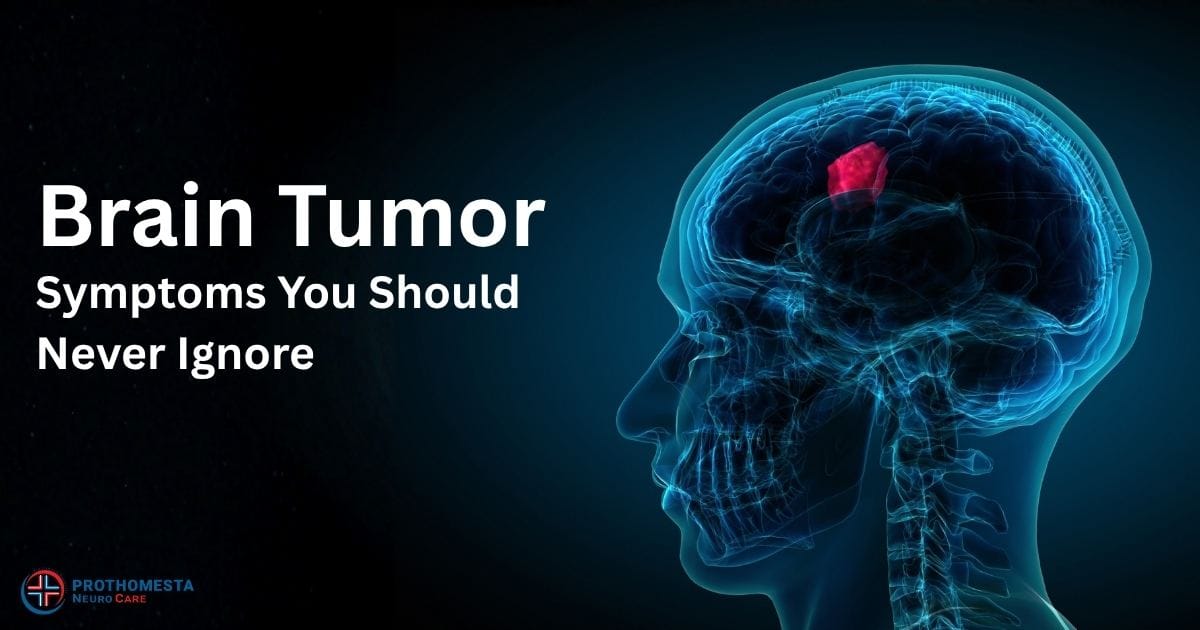
Brain Tumor Symptoms You Should Never Ignore
A brain tumor is a serious condition that occurs when abnormal cells grow inside the brain. While not every brain tumor is cancerous, both benign and malignant tumors can affect brain function by putting pressure on surrounding tissues.
The symptoms of a brain tumor often develop gradually and may be mistaken for common health problems like headaches or fatigue. Recognizing the warning signs early and seeking medical attention can lead to timely diagnosis and better treatment outcomes.
What Is a Brain Tumor?
A brain tumor is an abnormal growth of cells in the brain. Tumors can be:
- Benign (Non-cancerous): Usually grow slowly but may still affect brain function.
- Malignant (Cancerous): Grow more rapidly and require prompt medical treatment.
The symptoms depend on the tumor’s size, type, and location in the brain. Reference Video
Brain Tumor Symptoms You Should Never Ignore
Persistent Headaches
Headaches caused by a brain tumor are often different from regular headaches. They may:
- Become more frequent over time
- Be worse in the morning
- Increase with coughing or bending
- Not improve with usual painkillers
Persistent or worsening headaches should always be evaluated by a doctor.
Seizures
A seizure can sometimes be the first sign of a brain tumor, even in people with no previous history of epilepsy. Symptoms may include:
- Uncontrolled body movements
- Sudden loss of awareness
- Muscle stiffness
- Brief episodes of confusion
Any first-time seizure requires immediate medical evaluation.
Changes in Vision
A tumor affecting the visual pathways may cause:
- Blurred vision
- Double vision
- Loss of peripheral vision
- Difficulty focusing
Sudden or progressive vision changes should never be ignored.
Weakness or Numbness
If you notice weakness or numbness in your face, arm, or leg—especially on one side of the body—it may indicate that the tumor is affecting the brain’s motor areas.
Difficulty Speaking or Understanding
Brain tumors can interfere with communication, causing:
- Slurred speech
- Difficulty finding words
- Trouble understanding conversations
These symptoms require prompt neurological assessment.
Balance and Coordination Problems
Feeling unsteady, frequent falls, or difficulty walking may occur if the tumor affects the cerebellum or other balance centers in the brain.
Memory and Personality Changes
Some brain tumors can affect thinking and behavior, leading to:
- Memory loss
- Poor concentration
- Confusion
- Personality changes
- Unusual mood swings
These changes may be subtle initially but can worsen over time.
When Should You See a Neurologist?
Consult a neurologist if you experience:
- Persistent or worsening headaches
- A first-time seizure
- Unexplained weakness or numbness
- Vision or speech problems
- Balance difficulties
- Memory or personality changes
- Symptoms that continue despite treatment
While these symptoms do not always mean you have a brain tumor, they should be evaluated to determine the underlying cause.
How Is a Brain Tumor Diagnosed?
A neurologist will begin with a detailed medical history and neurological examination. Depending on your symptoms, further investigations may include:
- MRI Brain
- CT Scan
- Neurological examination
- Blood tests (if required)
These tests help identify the location and type of brain abnormality.
Treatment Options
Treatment depends on the size, type, and location of the tumor. Common options include:
- Surgery
- Radiation therapy
- Chemotherapy
- Targeted therapy
- Regular monitoring for selected benign tumors
Your healthcare team will recommend the most appropriate treatment plan based on your individual condition.
Can Brain Tumors Be Prevented?
There is no guaranteed way to prevent brain tumors. However, regular health check-ups and seeking medical attention for persistent neurological symptoms can help with early diagnosis and treatment.
Final Thoughts
Brain tumors are relatively uncommon, but their symptoms should never be ignored. Persistent headaches, seizures, vision problems, weakness, or changes in speech and memory deserve prompt medical evaluation.
Early diagnosis can make a significant difference in treatment success and quality of life. If you or a loved one experiences any of these warning signs, consult a neurologist without delay.
Frequently Asked Questions
- Are all brain tumors cancerous?
No. Many brain tumors are benign, but they can still cause symptoms by putting pressure on nearby brain tissue. - Is every headache a sign of a brain tumor?
No. Most headaches are not caused by brain tumors. However, persistent, severe, or worsening headaches should be evaluated by a doctor. - What is usually the first symptom of a brain tumor?
Common early symptoms include persistent headaches, seizures, vision changes, or weakness, depending on where the tumor is located.
4. Can brain tumors be treated successfully?
Yes. Many brain tumors can be effectively managed with surgery, medication, radiation therapy, or a combination of treatments, especially when diagnosed early.